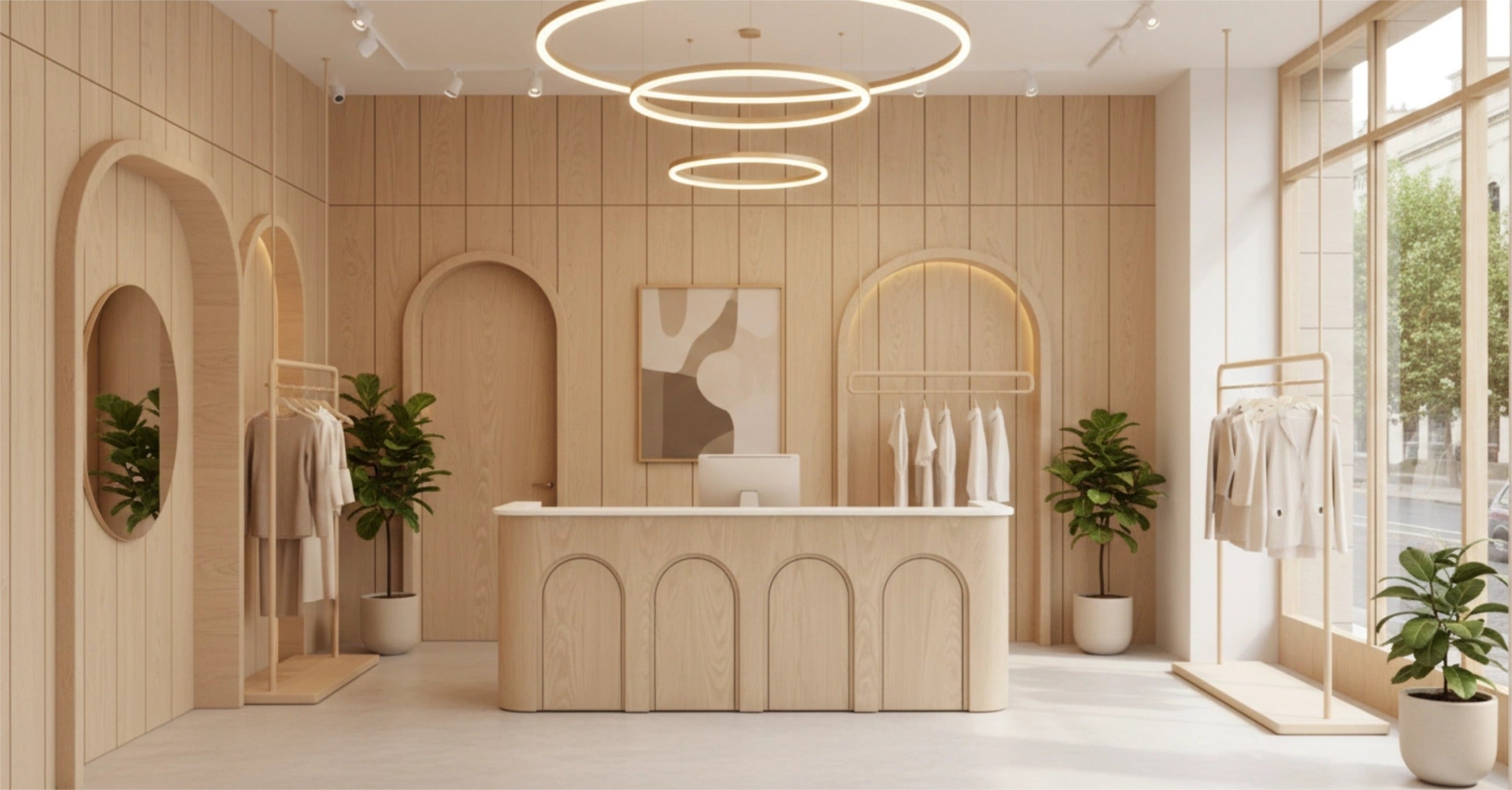
Choosing the right furniture is essential for productivity, customer experience, and space efficiency. Office furniture and commercial hospitality or retail furniture may look similar at first glance, but their design, structure, and functionality are built for very different jobs. Understanding these differences helps businesses across Australia and worldwide make informed purchasing decisions, so furniture meets both operational and aesthetic requirements without costing more to replace later.
IN THIS ARTICLE
1. Purpose and Usage Scenarios
5. Design and Aesthetics Considerations
1. Office Furniture vs Commercial Furniture: Purpose and Usage
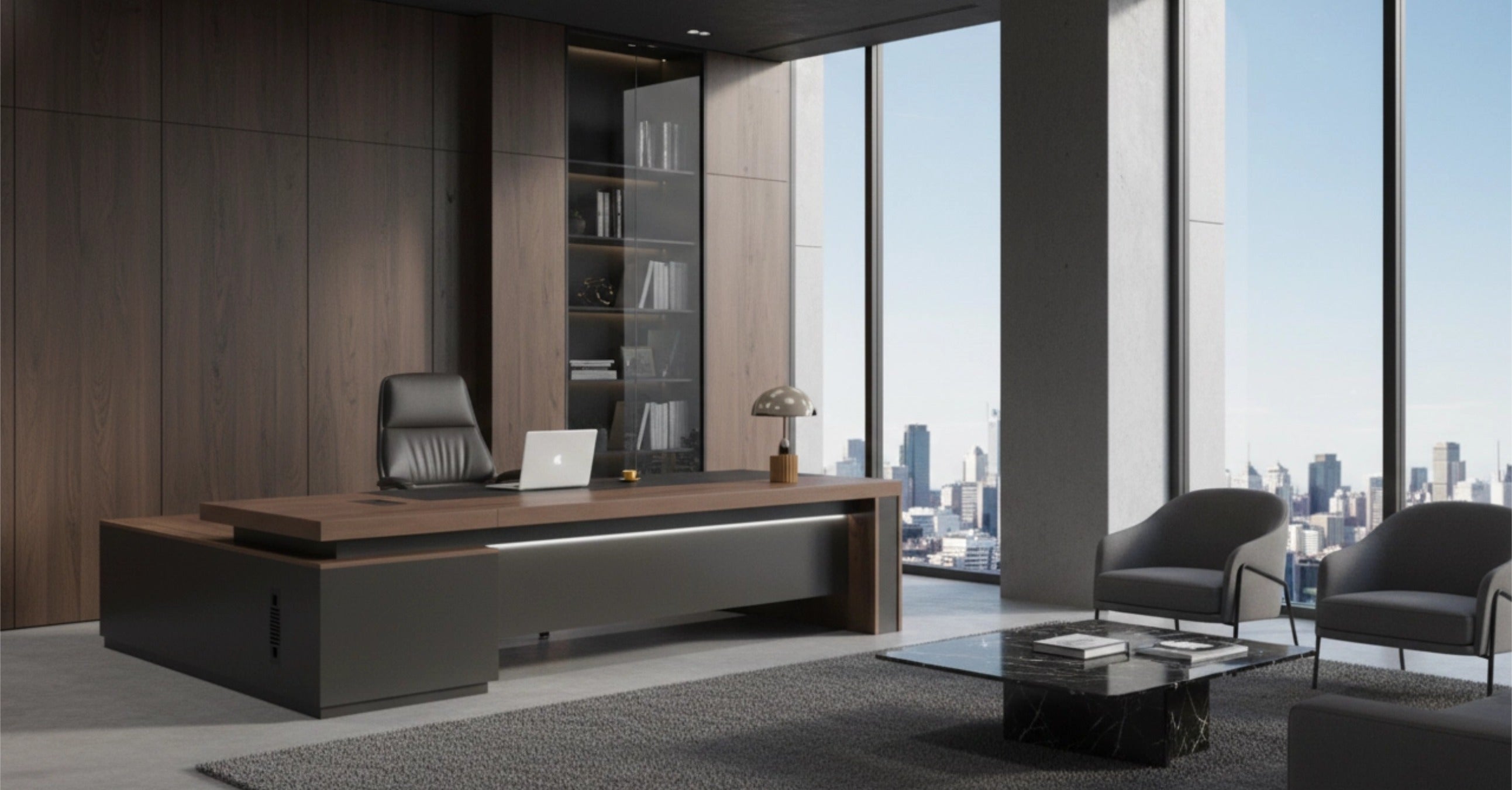
Office furniture primarily supports employee work, collaboration, and administrative tasks. It is built around comfort, organisation, and day-to-day productivity for a known number of staff who work long hours at the same desk.
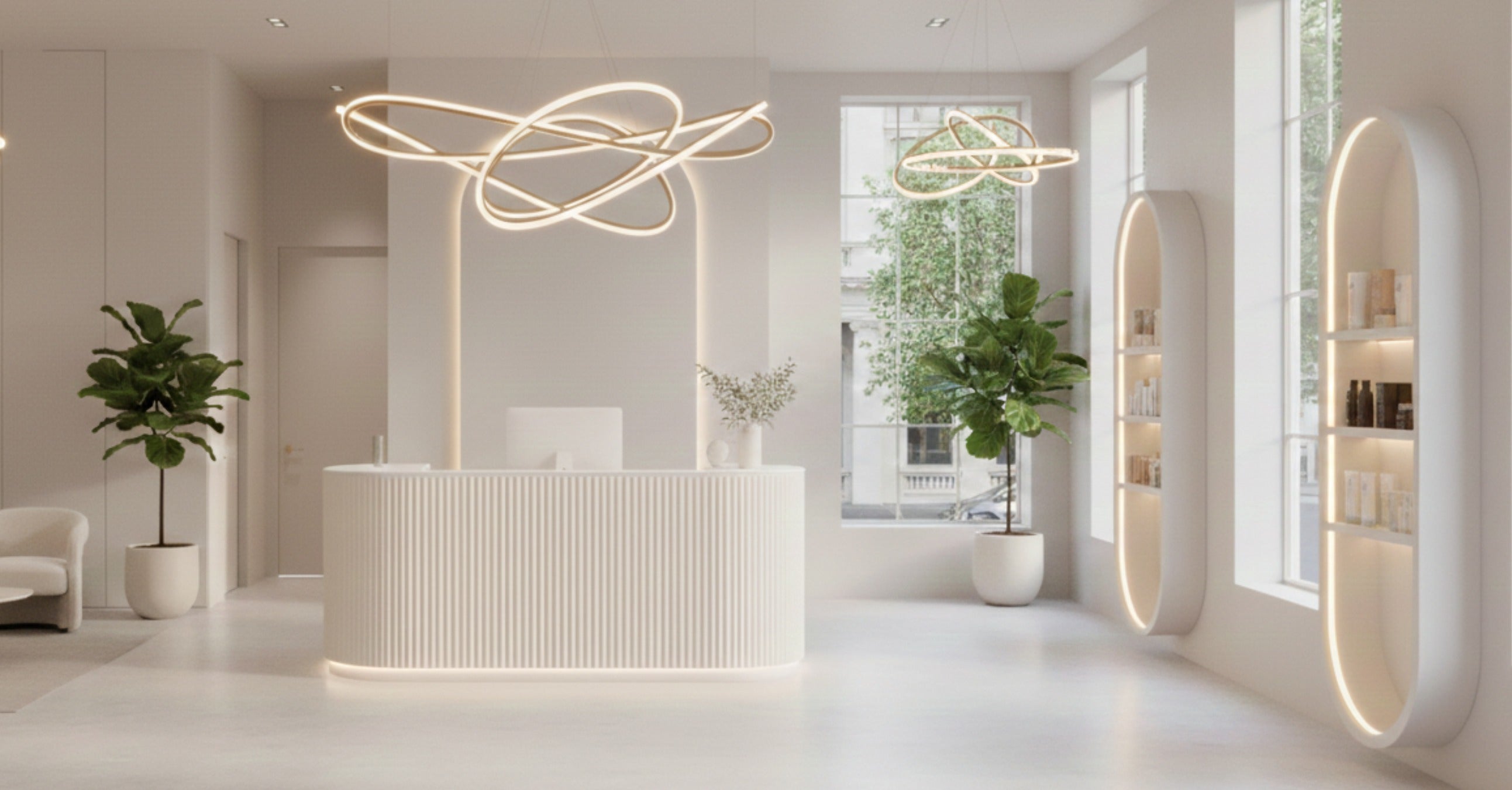
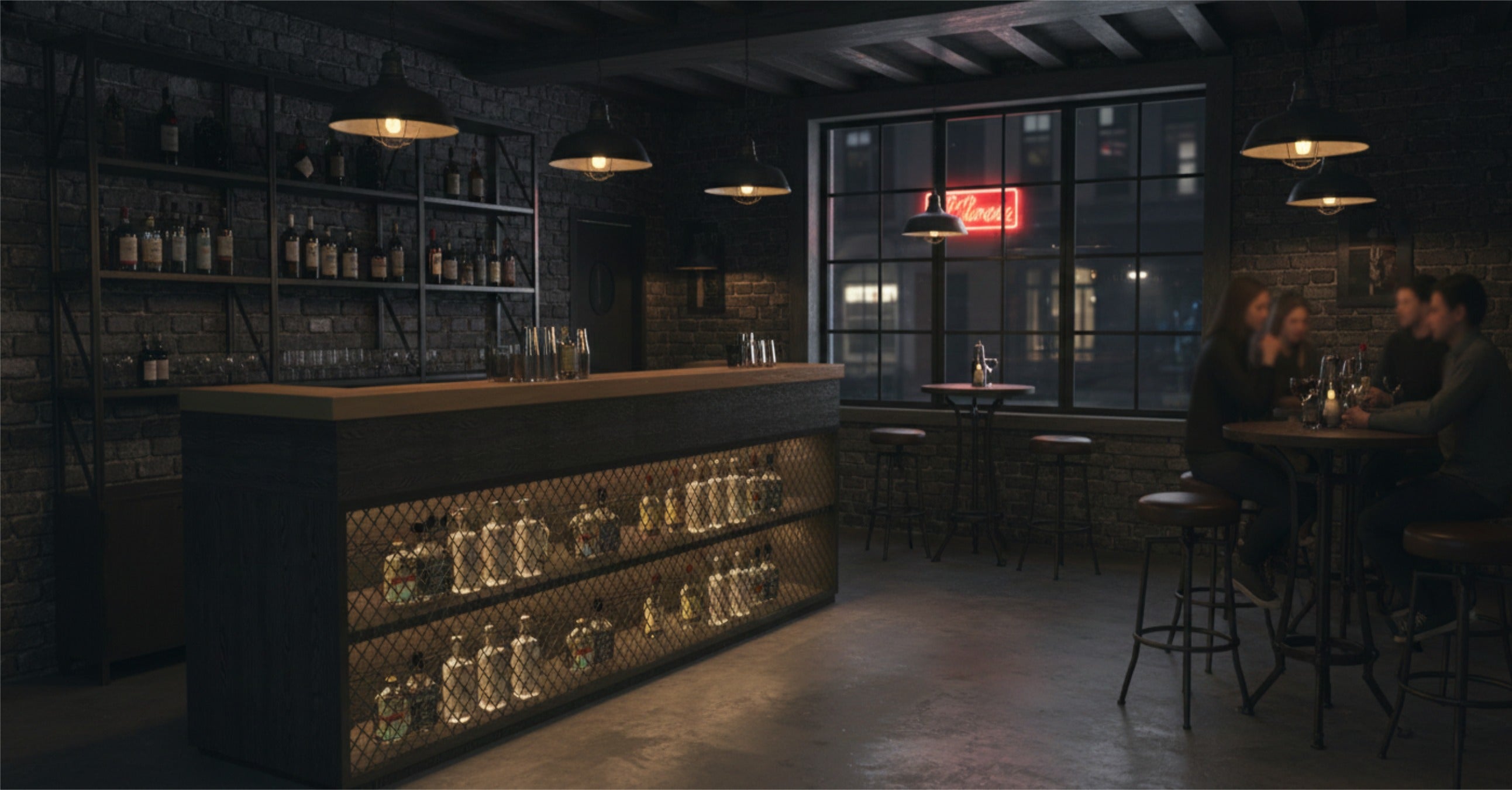
Commercial hospitality and retail furniture, by contrast, serves high-traffic areas, customer interaction, and brand presentation. Think reception desks, bar counters, and café tables. These pieces have to combine durability with visual appeal and absorb constant use by both staff and the public throughout long trading hours.
2. Structural Differences Between Office and Commercial Furniture
| Feature | Office Furniture | Hospitality & Retail Furniture |
|---|---|---|
| Frame & Support | Designed for daily employee use; moderate load | Heavy-duty frames for high traffic; built to withstand constant customer contact |
| Material | Wood, metal, and laminate, chosen for ergonomics and comfort | Reinforced metal, stone, and composite surfaces chosen for durability |
| Surfaces | Standard desktops suited to long work hours | Countertops and bar tops that resist scratches, water, and stains |
| Size & Thickness | Standard office dimensions | Often thicker or reinforced to handle frequent, heavy use |
3. Functional Differences in Everyday Use
- Storage & organisation: Office furniture provides file drawers, cabinet organisers, and personal storage. Hospitality and retail pieces favour display shelves, product storage, and quick-access drawers for service speed.
- Interaction & workflow: Office desks support employee tasks and internal communication. Reception desks, bar counters, and retail counters are designed around staff and customer interaction.
- Built-in functions: Office desks often integrate cable management and monitor stands. Commercial pieces may incorporate sinks, payment terminals, or branded display zones.
4. Durability and Maintenance Requirements
Furniture durability comes down to usage intensity:
- Office furniture: Designed for daily use by a limited number of employees, so it sees moderate wear and is easier to maintain.
- Hospitality & retail furniture: Built for high-frequency use by staff and the public. It needs reinforced materials and hard-wearing surfaces that resist scratches, spills, and frequent cleaning.
Planning maintenance from day one extends the lifespan of every piece and reduces replacement costs over time.
5. Design and Aesthetics Considerations
- Space & visual flow: Office furniture prioritises workflow, desk orientation, and ergonomic spacing. Hospitality and retail furniture is arranged around customer experience, visual appeal, and brand identity.
- Colour, material, and style: Offices tend to use neutral colours and functional designs, while commercial spaces favour eye-catching finishes such as stone, timber, or metal, chosen to match the brand.
- Branding integration: Reception desks, bar counters, and café tables can carry signage, logos, or decorative detailing to strengthen visual impact.
6. How to Choose the Right Furniture for Your Space
Selecting furniture means balancing function, durability, space, and aesthetics, alongside budget and lead time. Use this table as a starting reference:
| Scenario | Recommended Furniture Features | Key Considerations |
|---|---|---|
| Office | Ergonomic desks, filing storage, meeting tables | Employee workflow, cable management, personal space |
| Hospitality (hotels, cafés, bars) | Reception desks, bar counters, high-durability tables | Customer interaction, high traffic, brand identity, easy cleaning |
| Retail | Checkout counters, display tables, shelving units | Product visibility, transaction efficiency, durability |
| Multi-use / hybrid spaces | Modular desks and counters, movable tables | Flexibility, easy reconfiguration for events or seasonal change |
At CaGu MoDu, we know office furniture and hospitality & retail furniture serve different purposes. Our custom manufacturing approach means every piece—from reception desks to executive desks and boardroom tables—is matched to the structural, functional, and aesthetic requirements of your space. We ship across Australia and worldwide.
Shop Now7. Frequently Asked Questions
What is the difference between office furniture and commercial furniture?
Office furniture is built around employee comfort, organisation, and long working hours. Commercial hospitality and retail furniture is built for high public traffic, durability, and brand presentation. The right choice depends on who uses the furniture and how often.
Can office furniture be used in a commercial or hospitality setting?
It can for low-traffic, back-of-house areas, but standard office pieces are not usually built for the constant public use found in cafés, bars, or retail floors. For customer-facing zones, commercial-grade furniture is the safer long-term choice.
What makes furniture commercial grade?
Commercial-grade furniture uses reinforced frames, harder-wearing surfaces, and high-abrasion materials designed to handle heavy, repeated use far better than standard residential or office pieces.
Can furniture be customised for both office and commercial use?
Yes. Custom manufacturers like CaGu MoDu can adjust materials, dimensions, and finishes so a single design works across office, hospitality, and retail settings while keeping a consistent brand look.
Conclusion
Understanding the structural and functional differences between office furniture and hospitality or retail furniture helps you get the right fit for your space the first time. Office furniture focuses on employee productivity and organisation, while commercial furniture prioritises durability, customer interaction, and brand presentation. Making informed choices improves efficiency, lifts the customer experience, and protects your investment over time.