In recent years, traditional office layouts have undergone a significant transformation. The conventional model—characterised by enclosed cubicles, fixed desks and single-purpose spaces—is gradually being replaced by more flexible, multi-functional work environments. Businesses across Australia are recognising that office furniture is no longer just a practical necessity; it plays a vital role in shaping workflow, team interaction and overall brand perception.
IN THIS ARTICLE
1. The Rise of Multi-Functional Workspaces
2. How Furniture Supports Multi-Functional Workspaces
1. The Rise of Multi-Functional Workspaces
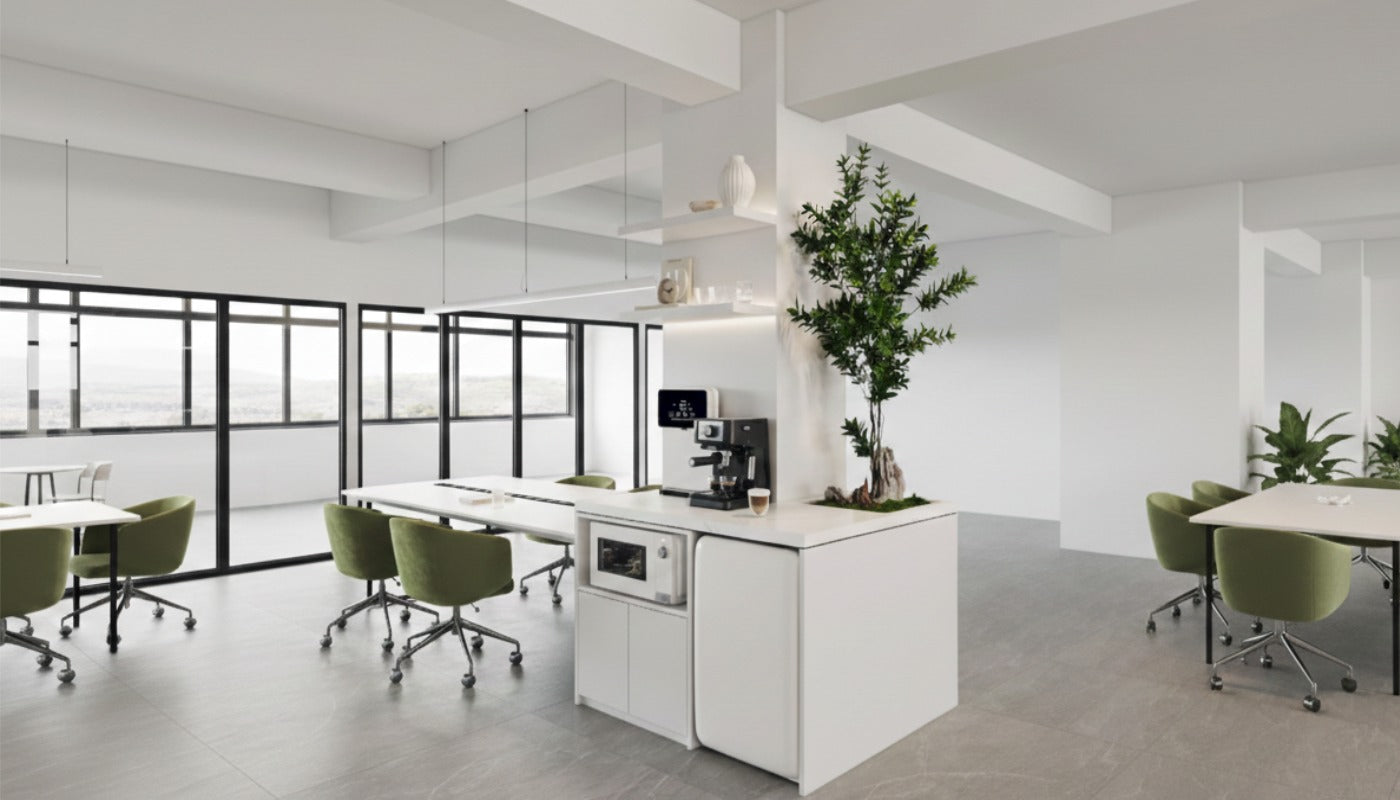
Modern workplaces place greater emphasis on flexibility and layered functionality. Open-plan areas, semi-private zones and social interaction spaces now coexist within the same environment. Window-side areas, breakout zones and covered terraces are increasingly integrated into daily work settings. Furniture that can be repositioned or serve multiple purposes has become essential for improving spatial efficiency.
Several key factors are driving this shift:
- Employees increasingly prefer collaborative and open working environments;
- Businesses aim to maximise space utilisation and long-term flexibility;
- Project-based work and ad hoc meetings require adaptable furniture solutions.
2. How Furniture Supports Multi-Functional Workspaces
2.1 Executive Desks
Executive desks remain the centrepiece of private offices. They provide privacy and stability while reinforcing authority and professionalism. Premium materials and refined finishes help create a strong first impression when clients or partners visit, aligning leadership spaces with the company's brand identity.
2.2 Conference Tables
Conference tables support a wide range of meeting scenarios, including team discussions, client presentations and video conferences. Large-format tables accommodate collaboration while anchoring the room visually. Some designs integrate power solutions, transforming them into highly functional meeting hubs suited to today's technology-driven workplaces.
2.3 Island Tables
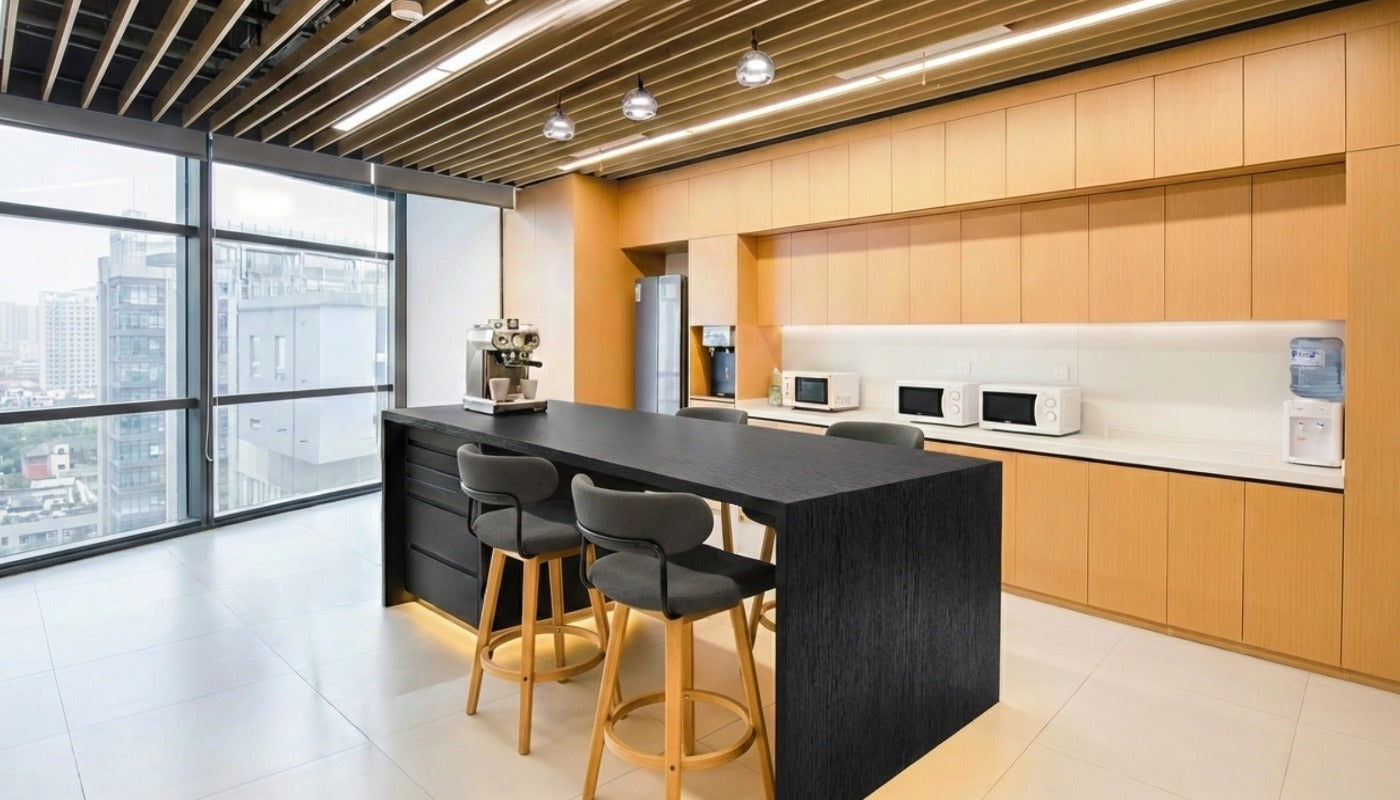
While often associated with residential kitchens, island tables are increasingly incorporated into modern commercial environments. Within multi-functional workplaces, they serve as interactive hubs with two primary applications:
(1) Collaborative Work Zones
Island tables provide a central surface for standing meetings, brainstorming sessions or product displays. Their open format encourages movement and face-to-face interaction, helping teams communicate more effectively.
(2) Refreshment and Social Spaces
Island tables can also function as coffee or tea stations where employees gather informally. Compared to enclosed break rooms, an open island layout promotes spontaneous conversation and cross-team interaction, strengthening workplace culture.
Because of their versatility, island tables connect focused work with social engagement, making them key elements in contemporary office design.
2.4 Outdoor Kitchen Cabinets
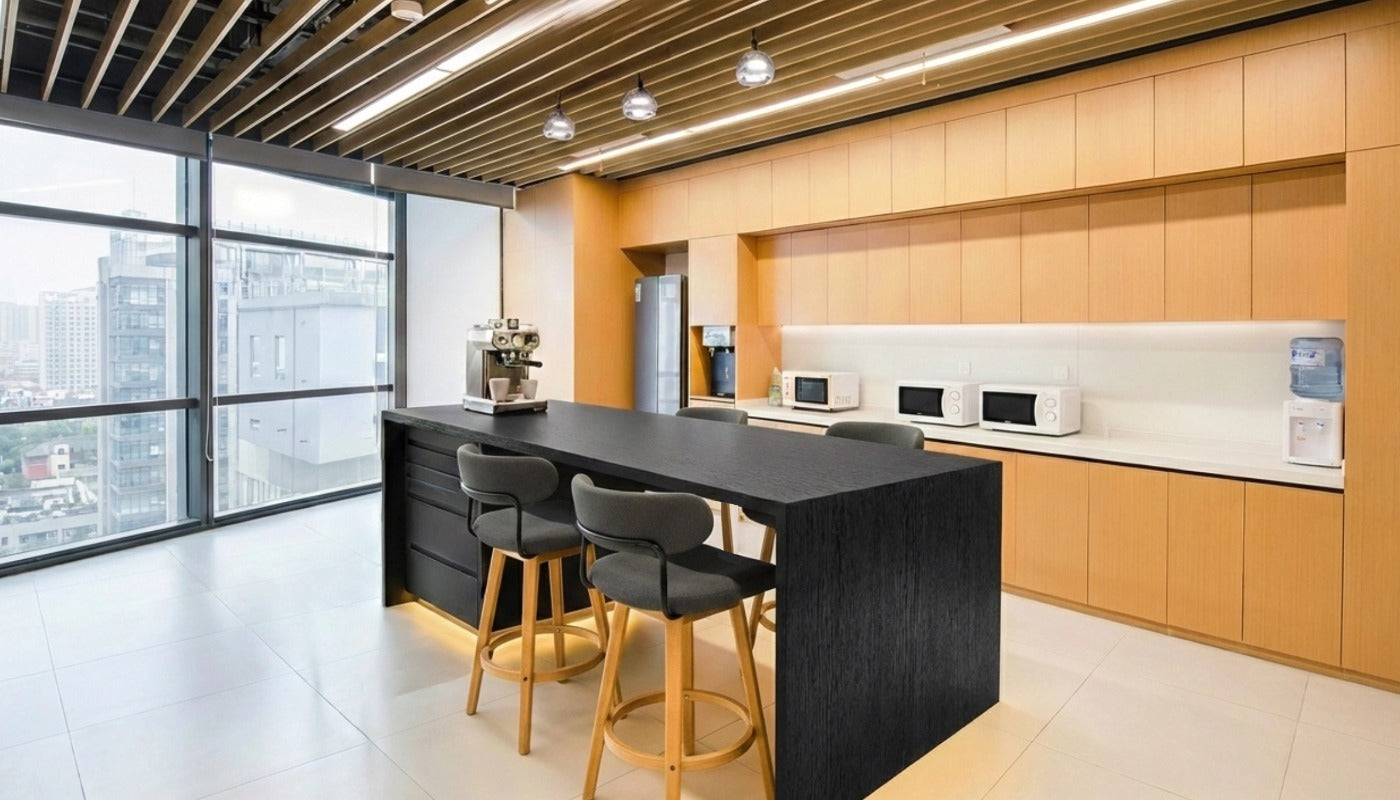
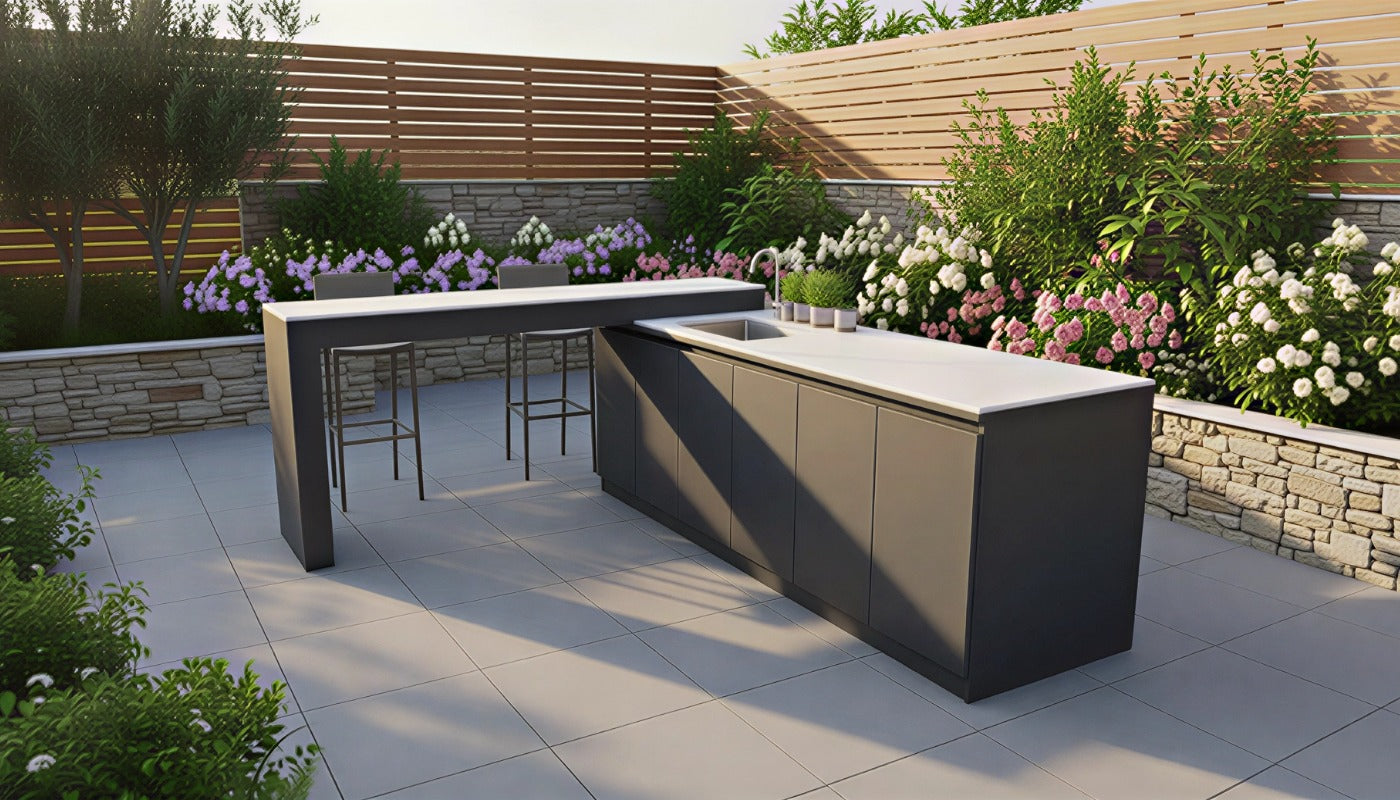
For businesses with semi-open areas or hospitality settings, weather-resistant outdoor kitchen cabinets help extend functional boundaries. Whether used as outdoor prep stations in cafés, service counters on restaurant terraces, or support units in commercial outdoor zones, these cabinets combine durability with visual appeal, ensuring reliable performance in varying Australian conditions.
2.5 Reception Desks and Bar Cabinets
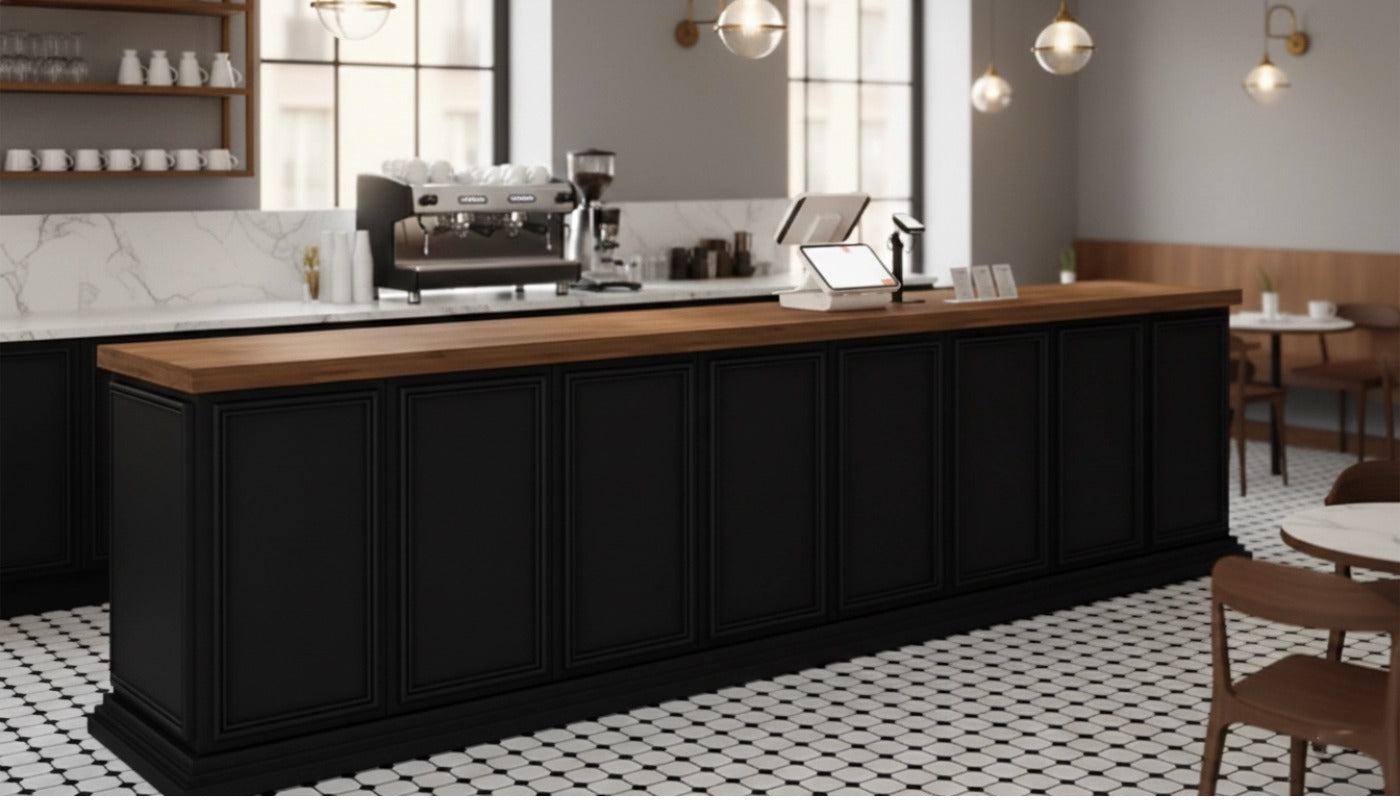
Reception desks and bar cabinets act as transition points within a workspace. They support welcoming, service and brand presentation while connecting different functional zones. A well-designed reception or bar area enhances the overall spatial experience and reinforces professionalism.
3. Typical Application Scenarios
3.1 Corporate Headquarters
Executive desks define private leadership offices, conference tables support formal decision-making, and island tables create informal collaboration or refreshment hubs. Together, these elements establish a layered and dynamic office layout.
3.2 Co-Working Spaces
Island tables function as collaboration hubs or social anchors, conference tables allow flexible meeting arrangements, and reception desks guide visitors while reinforcing brand identity. The overall environment prioritises adaptability and interaction.
3.3 Hospitality and Commercial Spaces
Outdoor kitchen cabinets support preparation and service functions, while bar cabinets enhance customer engagement and spatial flow, maximising usability across indoor and semi-outdoor areas.
4. Choosing Furniture for Multi-Functional Workspaces
When planning a multi-functional workspace, it can be helpful to compare furniture types based on their primary role within the environment.
| Furniture Type | Primary Function | Best Suited For | Key Advantage |
|---|---|---|---|
| Executive Desk | Private leadership workspace | Directors, senior management offices | Authority, professionalism, brand presence |
| Conference Table | Formal and collaborative meetings | Boardrooms, meeting rooms, project discussions | Supports decision-making and team collaboration |
| Island Table | Collaboration and social interaction | Open-plan offices, breakout areas, refreshment zones | Encourages interaction and flexible use |
| Outdoor Kitchen Cabinet | Semi-outdoor preparation and service | Cafés, hospitality venues, terrace areas | Weather resistance and functional extension |
| Reception Desk / Bar Cabinet | Welcoming and service transition point | Lobbies, co-working entries, hospitality spaces | Strengthens first impressions and spatial flow |
By assessing functional requirements, flexibility needs, durability expectations and brand positioning, businesses can select combinations that maximise both performance and visual impact.
At CaGu MoDu, we understand the shift from traditional offices to multi-functional workspaces. Our custom furniture solutions—from executive desks and conference tables to island tables and reception desks—help create flexible, efficient environments aligned with modern Australian business expectations!
Shop NowConclusion
The shift from traditional offices to multi-functional workspaces reflects a lasting change in how Australian businesses operate. Furniture plays a strategic role in shaping these environments: island tables encourage collaboration, executive desks reinforce authority, conference tables enable effective decision-making, and outdoor kitchen cabinets expand functionality into semi-open spaces. With the right furniture selection, workplaces can become more efficient, adaptable and future-ready.